
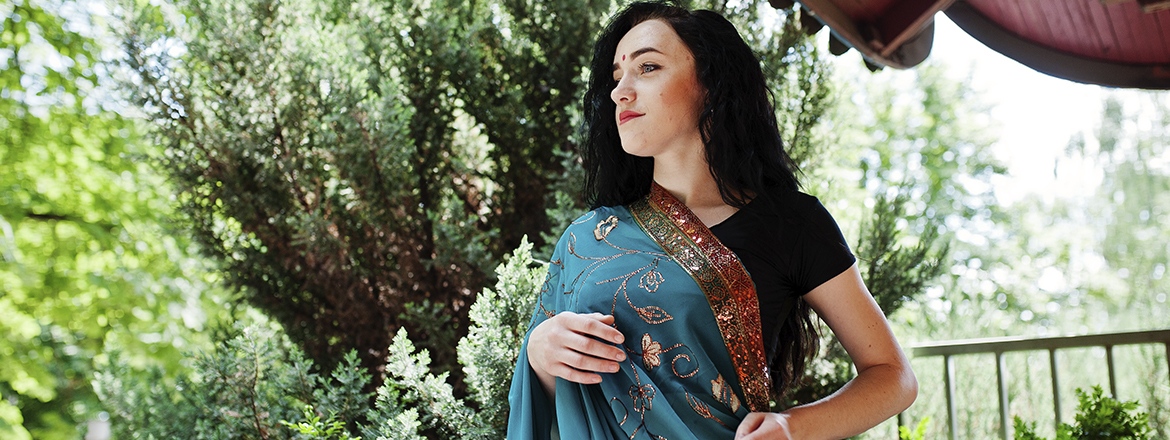
The road south out of Vijayawada runs into the flat, green heart of Guntur district, and at the end of it sits Mangalagiri. Most visitors arrive for the temple. They leave talking about the cloth. The two turn out to be part of the same story, and understanding the connection changes the way the whole town looks.
This is a place in Andhra Pradesh where weaving is not a heritage attraction bolted on for visitors. It is simply what people here do and have done for a very long time. The craft is protected as one of the state’s geographical indication products under India’s Geographical Indications of Goods (Registration and Protection) Act of 1999, which is the official way of saying that a Mangalagiri saree can only truly come from Mangalagiri.
A craft older than most of the buildings around it
Local inscriptions suggest that looms have been clattering here for something like four hundred years. That figure is easy to state and harder to picture, though the rhythm of a working lane makes it real enough.
The town’s weavers have not always had an easy time of it. Under the rule of the Qutub Shahi, taxes climbed high enough that many of them packed up and moved away. That the trade survived at all, and still thrives today, says a great deal about how deeply it is rooted here.
How a saree comes to life
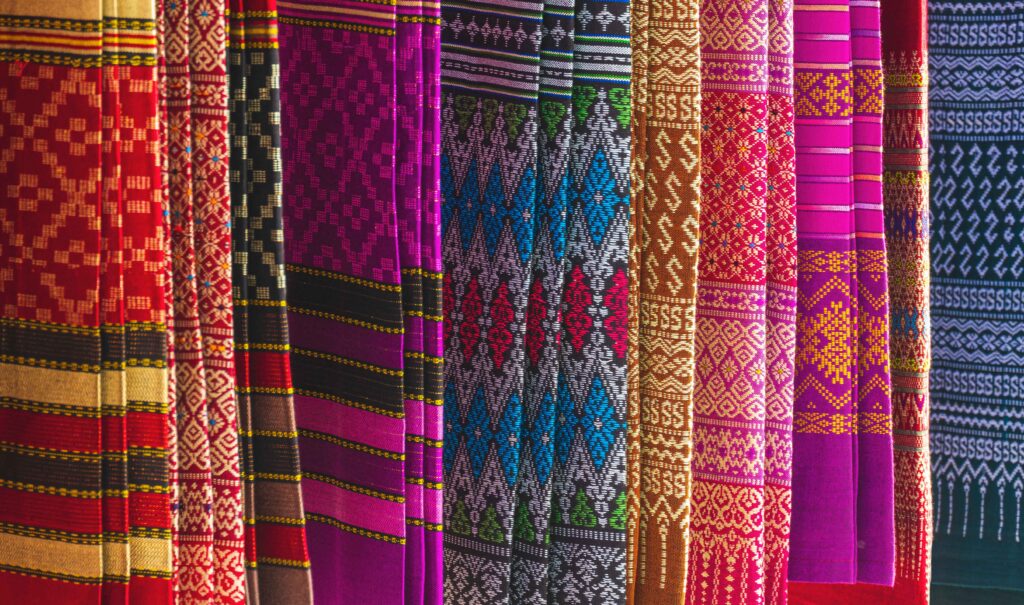
Behind the scenes, the process is far more involved than the finished cloth lets on. Everything happens on pitlooms, the kind set into the floor so the weaver sits with their feet in a trench, and every saree passes through a long sequence of hands before it is folded and sold.
It begins with the raw materials: pure cotton yarn, threads of silver and gold zari, a mix of natural and synthetic dyes, and a handful of chemicals to help the process along.
The cotton is cleaned first. The bundles are boiled to remove dirt, left to soak overnight, rinsed, and made ready for colour. Then comes the dyeing. White sarees are bleached, while the coloured ones are given their tone with vat dyes. Extra colour is removed by soaking the yarn in boiling water. Only then is it dried, sometimes with light-sensitive shades added at the end.
Before a single row can be woven, the yarn has to be turned into a warp and a weft. The warp is built up using a charka, a bamboo transfer device and a bobbin, while the weft is wound onto a pirn. There is even a stage that spills out into the open, known as street sizing, where the stretched warp is sprayed with rice gruel and left to dry so the threads are strong enough to weave.
Then the loom does its work. Warp and weft cross and lock, occasionally with the help of jacquard patterning, and the cloth that emerges carries the fabric’s signature Nizam design. Once it is cut and folded, a master weaver inspects each piece and puts right anything that has gone astray. The town has moved with the times, too. Around 1985, the weavers began producing dress materials alongside the sarees, opening up a whole new market.
What makes a Mangalagiri saree unmistakable
Up close, the reasons it stands apart become clear. It is woven from cotton, with a fine line of zari running along the border and the main body left plain, free of woven patterning. That restraint is the whole point. The result looks effortless, though very little about making it is.
There is another reason these sarees matter here as well. Mangalagiri is home to the Narasimha Temple, and the cloth is worn by devotees for worship, which folds the weaving back into the spiritual life of the town.
A town that still lives by the loom
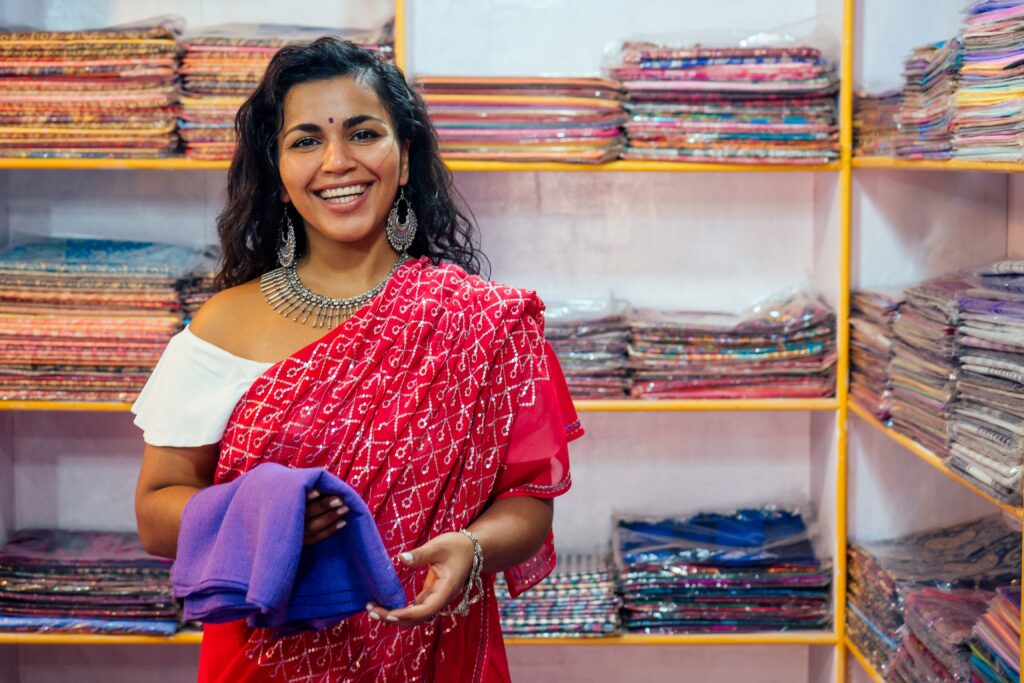
Mangalagiri makes no effort to draw a crowd. It is a working town rather than a polished one, and that is where its character lies. Above sit the temple and its steps; below run the weaving lanes, alive with the steady sound of the looms. What leaves the town is a length of cloth, and with it a sense of patience folded into every thread.